

Mountain Etiquette: How to keep the culture going

Whether you’re hiking the Tour du Mont Blanc, the Haute Route, an Alta Via, or any other long-distance trail in the Alps, you’ll quickly notice that mountain culture is built on mutual respect. Mountain etiquette is simply the way that respect is expressed, through a collection of unwritten rules that help hikers, refuge staff and wildlife coexist in the mountains.
As hiking guides, we spend much of our summer in the mountains. They are quite literally our workplace, and we want to help preserve them for future generations. At the same time, we want to ensure everyone feels safe, welcome and respected on the trail. Fortunately, mountain etiquette is mostly common sense. But a few simple habits can make a big difference to both the environment and the experience of those around you.
Mountain Etiquette on the Trail
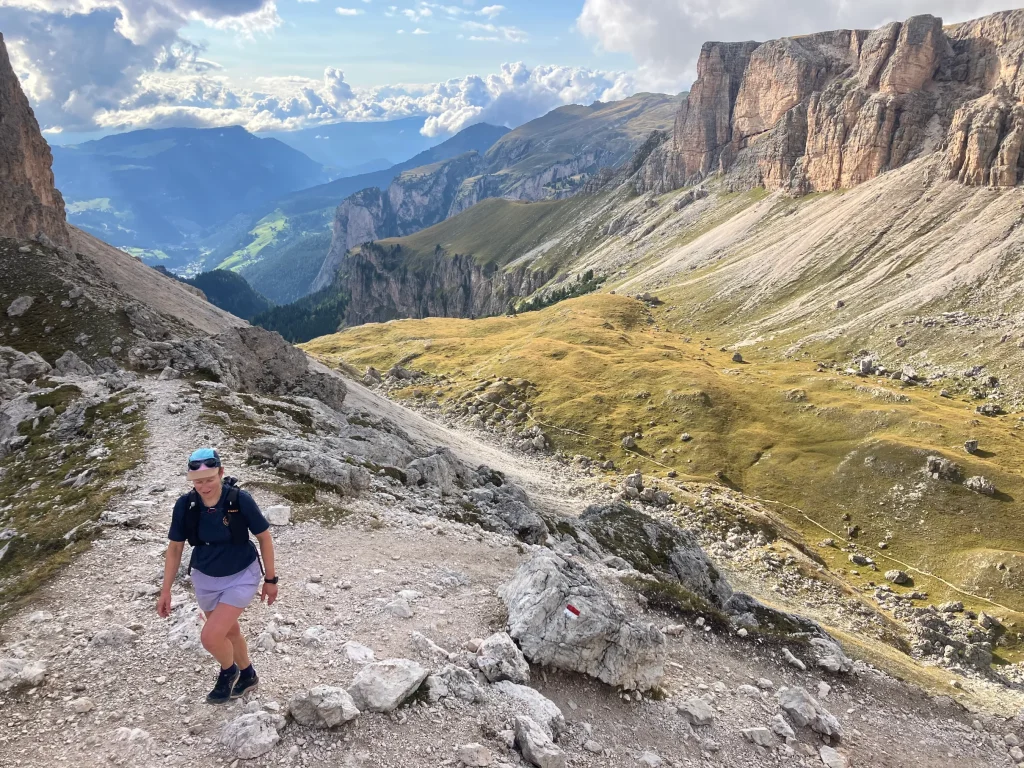
Good trail etiquette helps create the friendly and respectful atmosphere that makes hiking in the Alps so enjoyable. When you’re out on the trail, try to follow these simple guidelines…
1. Give priority to those coming up
In the Alps, hikers travelling uphill generally have priority. Because climbing requires more effort, step to one side if you’re going down, and allow uphill hikers to continue at their pace.
You’ll notice this principle extends beyond hiking too. On narrow mountain roads, drivers will often use similar courtesy to help traffic flow safely.
2. Let Faster Trail Users Pass
Mountain trails are shared spaces. Throughout the day, you may encounter trail runners, mountain bikers and faster hikers approaching from behind.
If you hear someone coming, look for a safe and comfortable place to step aside and let them pass. A quick smile or greeting is always appreciated.
3. Leave the Flowers for Everyone to Enjoy
The wildflowers that bloom throughout the summer are one of the highlights to hiking in the mountains. Many species grow in fragile environments and have short flowering seasons.
Rather than picking flowers, take photographs and leave them for other hikers, pollinators and future visitors to enjoy.
4. Give Wildlife Space
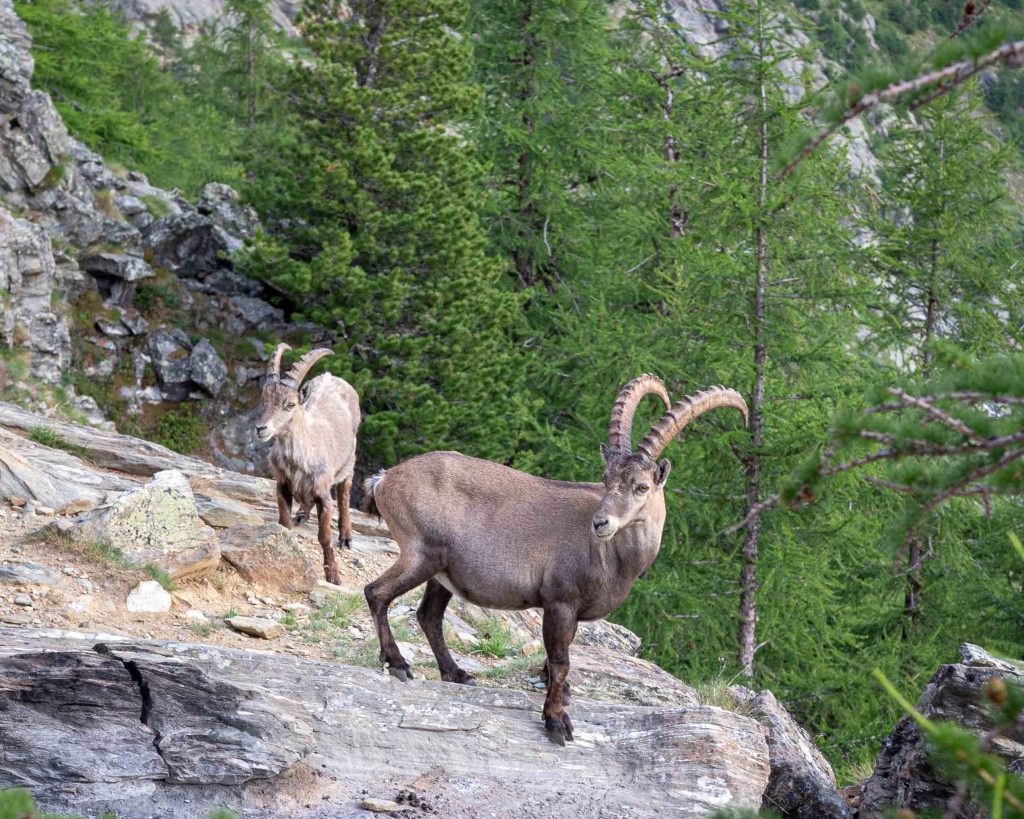
Seeing wildlife is another highlight! If you’re lucky, you might see ibex and marmots, and maybe even a timid chamois.
It’s tempting to get close and try to take a fantastic photo, but try to give them some space. Approaching these animals can cause them stress, and it could also alter their natural behaviour.
5. Leave No Trace
Everything you bring into the mountains should leave with you.
Carry out all rubbish, avoid damaging vegetation, and stay on marked trails where possible. If you’d like to go one step further, consider picking up any small pieces of litter you come across. It only takes a moment and helps keep the mountains beautiful for everyone.
6. Say Hello
A simple greeting is part of mountain culture throughout much of the Alps. Keep the culture alive by greeting passing hikers with a “Bonjour”, “Buongiorno”, “Ciao” or simple “Hello”.
Mountain Etiquette in the refuges
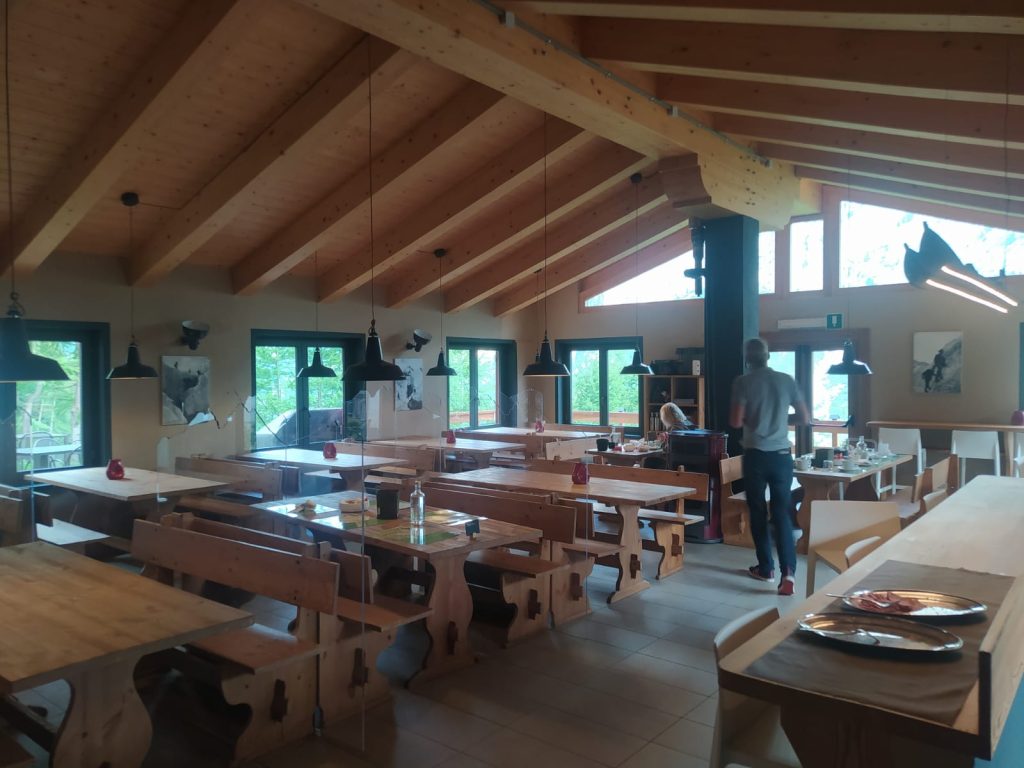
One of the best things about staying in a mountain refuge is the sense of community. With dozens of hikers sharing meals, dormitories and facilities, a few simple rules of refuge etiquette help ensure everyone enjoys a comfortable and memorable stay…
1. Take Your Rubbish to the Valley
Many mountain refuges can only be supplied on foot, by 4×4 tracks, or by helicopter. Waste disposal is often difficult and expensive.
Rather than filling refuge bins with snack wrappers and other packaging, carry your rubbish until you reach the next village or town. We recommend packing a small bin liner or reusable rubbish bag to make this easy.
2. Help clear the table
Refuge meals are communal experiences and everyone benefits when things run smoothly.
After dinner, it’s customary to help stack bowls, plates and serving dishes. Small gestures like this help staff who are often serving dozens of hungry hikers every evening.
3. Keep bags off beds
Most refuges ask hikers not to place backpacks on beds.
This helps reduce the risk of spreading bed bugs and keeps sleeping areas cleaner. Instead, use the designated luggage storage areas, hooks or shelves provided by the refuge.
4. Respect Quiet hours
Dormitory lights are typically switched off around 9pm. Once lights-out arrives, avoid turning on bright lights or making unnecessary noise.
If you’d like to continue chatting, reading or enjoying a drink, move to the dining room or communal area where you won’t disturb people trying to sleep. If you need the toilet during the night, use your headtorch and try not to shine it into anyone’s face!
5. Pack before dinner
Many hikers leave early the next morning, sometimes before sunrise.
To avoid waking everyone in the dormitory, organise your equipment and pack most of your backpack the afternoon before. Your future roommates will thank you, and you’ll normally have plenty of time between arriving at the refuge and having dinner.
Mountain Etiquette is simple
The best thing about mountain etiquette is that it isn’t complicated. Most of it comes down to respect: for other hikers, for refuge staff, for wildlife and for the mountains themselves.
By following these simple principles, you’ll help preserve the friendly atmosphere that makes routes such as the Tour du Mont Blanc, Haute Route and Alta Via so special. You’ll also help to protect these incredible mountain environments, and you’ll be helping to protect our workplace, so thank you from us!
The hikers Newsletter
Get trekking info and our latest deals.
